
Has Engagement Become Exhausting?
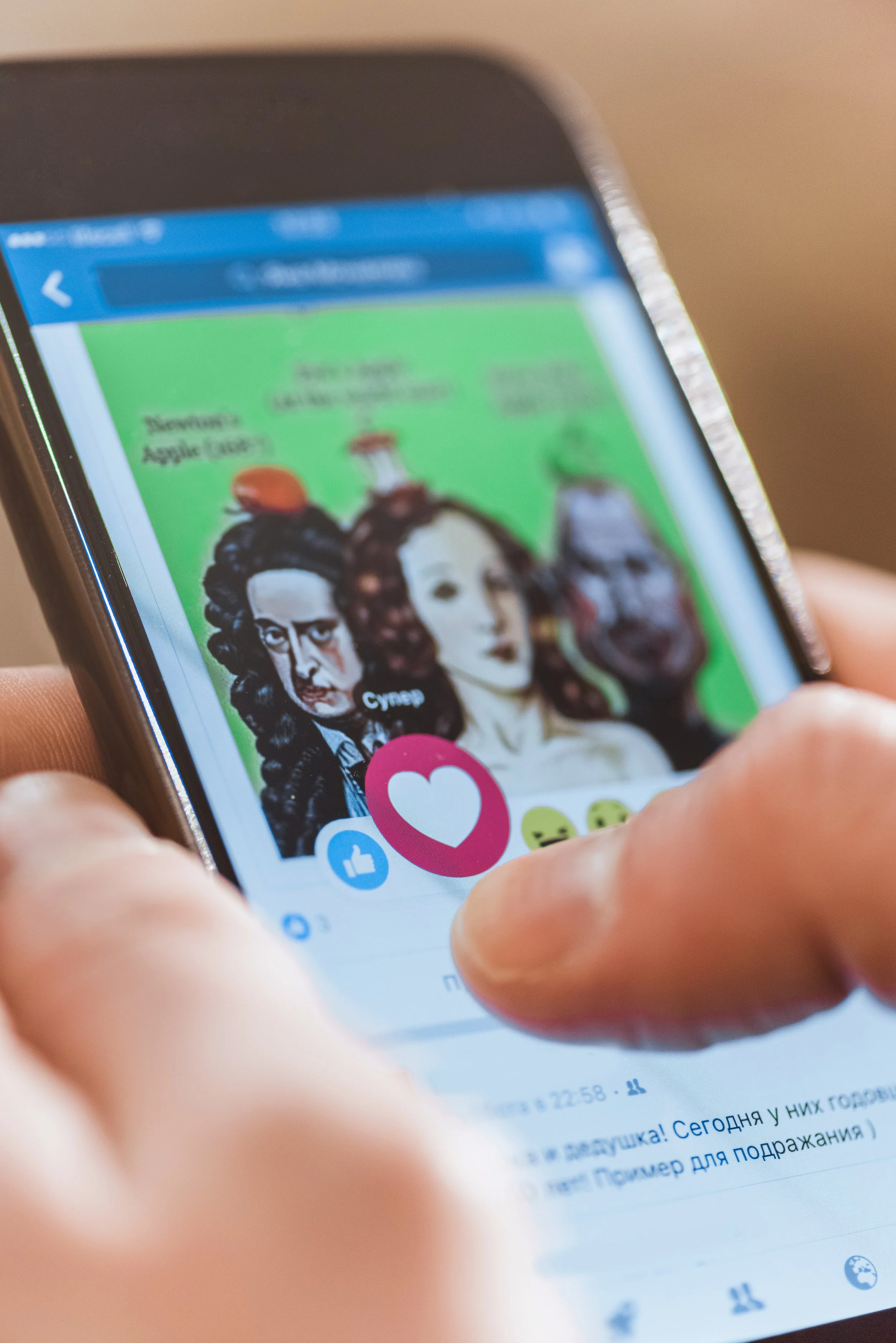
There was a time when audience engagement felt like a goal…
Now, it sometimes feels like the expectation. As an agency responsible for delivering immersive experiences, we must stop and reflect on what we mean by engagement. What is our expectation? What ‘feeling’ do we need to create to make it happen - and can we even expect it when we don’t understand what our audiences are carrying with them into the event space. Are they waiting for a deal to close? Have they had challenges with a colleague? Is the event in their second language?
How can we assume that one message can ensure engagement?
Do we create polls. Build apps. Host live Q&A. Facilitate table discussions...
How does this feel as an attendee? At what point in the design process should we make decisions about how we aim to engage. And who should make these decisions… does a central function understand the day-to-day workings of a remote team enough to design what will spark them at an event. Should we be taking away noise or adding to it? Should we offer low-tech solutions to our most high-pressured teams to offer some digital downtime? Or should we offer innovative tech-based programmes to immerse core functions in the future of their business?
Recently, it feels like prompts to share. Prompts to vote. Prompts to respond. All designed with good intent. All aiming to involve people.
But somewhere along the way, has engagement started to feel constant. And maybe a little tiring.
Not because people don’t want to engage. They do.
But because being asked to engage isn’t the same as actually feeling engaged.
There’s a difference between participation and connection.
We’ve all been in sessions where the interaction comes too quickly, the technology becomes the focus, or the moment hasn’t quite earned what it’s asking from the room. When that happens, engagement becomes another task. Something to do, rather than something to feel.
And in trying to hold attention, do we sometimes forget to respect it?
Time. Energy. Attention.
These are the things your audience is really giving you. And they’re finite.
From experience, some of the most powerful moments at events don’t involve a single tap, vote or response… they’re quieter than that.
A story landing. A message connecting. A room completely still.
Not because people have disengaged, but because they’re genuinely listening. That’s engagement too.
And often, that’s where the real impact sits. In those silent, powerful spaces that people will take away with them and share onwards. Reflect upon. Learn from.
Creating room for this isn’t about removing interaction. When used with intent, the right moments of participation can create ownership, open up dialogue and shift thinking in a way nothing else can.
But not every moment needs it. Not every session needs to ask something of the room. Sometimes, the most considered thing you can do is create space.
Space to think. Space to absorb. Space to decide how to engage.
Because real engagement doesn’t come from how often you ask for it.
It comes from how well the experience has been designed in the first place.
And when moments are shaped with intention, when content is clear, pacing is right and people feel respected, engagement doesn’t need to be pushed.
It happens naturally.
And it lasts.
If this resonates or challenges your thinking, we’d love to hear from you.
